
New Policy: Kertajati Disebut Akan Jadi Pusat MRO Hercules Asia, Sejumlah Mahasiswa Menolak: Indonesia Negara Berdaulat
New Policy and Its Implications New Policy - Indonesia’s new policy has sparked significant debate, particularly regarding the proposed transformation of
New Policy and Its Implications
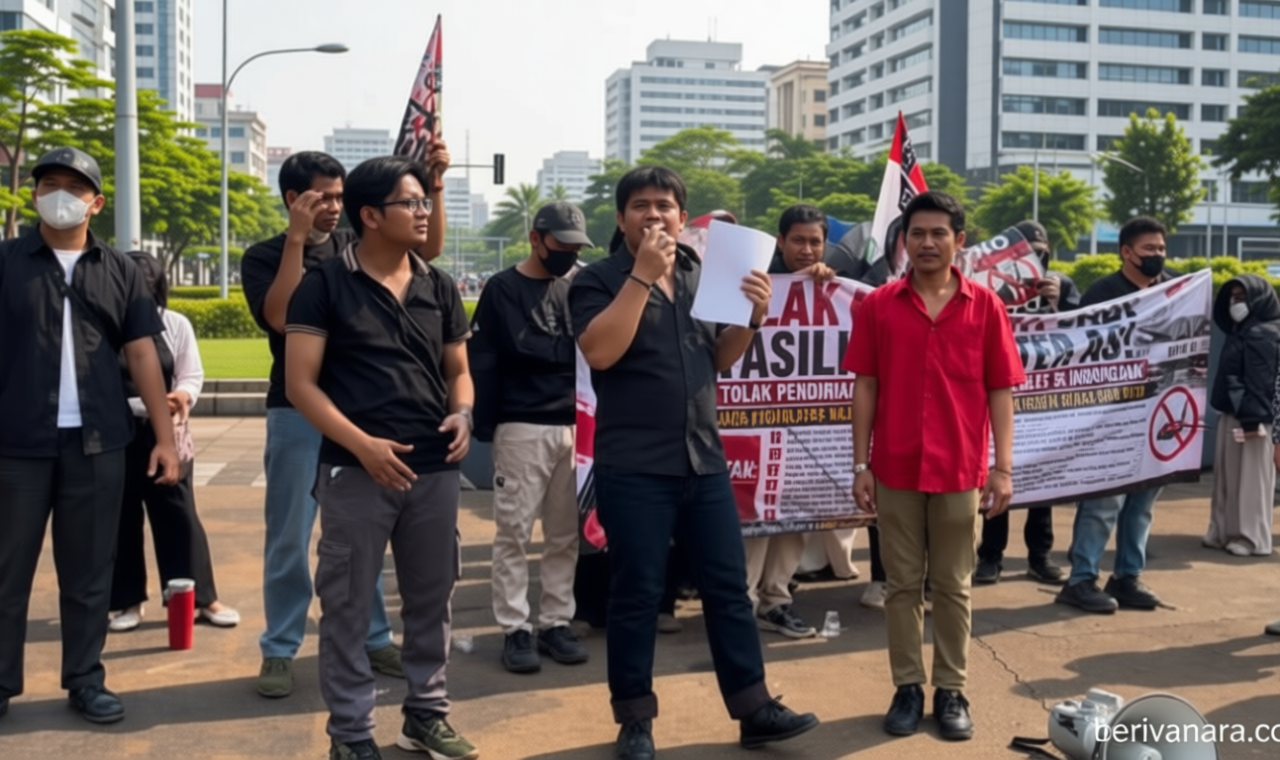
New Policy – Indonesia’s new policy has sparked significant debate, particularly regarding the proposed transformation of Bandara Internasional Kertajati in West Java into a central hub for the Maintenance, Repair, and Overhaul (MRO) of Hercules military aircraft. This development has drawn sharp criticism from students and young activists, who argue that the policy risks undermining Indonesia’s sovereignty by allowing foreign military powers, notably the United States, to leverage the country’s infrastructure for their strategic operations. The move is seen as a shift toward greater alignment with international military interests, which some fear could compromise national independence.
MRO Hercules: Function and Purpose
The MRO Hercules initiative is part of a broader effort to modernize Indonesia’s air defense capabilities and strengthen its military logistics. Bandara Kertajati, known for its strategic location and advanced facilities, is being positioned as a key node in the region’s defense network. Proponents of the policy highlight that this expansion will enhance operational efficiency, reduce reliance on external bases, and support joint military exercises with allied nations. However, opponents contend that the facility’s primary function as an MRO center could be exploited for long-term military presence, potentially allowing foreign powers to establish footholds in Indonesia’s strategic areas.
Student Protests Against Foreign Military Use
Student organizations and youth groups have taken to the streets to voice their concerns about the new policy. The Aliansi Mahasiswa dan Pemuda Jakarta Peduli Indonesia (AMPEJAPI), a coalition of over 500 student activists, has been at the forefront of the movement, organizing rallies and distributing petitions to highlight the risks of foreign military encroachment. Their message is clear: Indonesia must remain a sovereign nation, not a passive participant in geopolitical strategies. “The new policy threatens to turn Kertajati into a military base for the United States,” said Tangi Januardi Gultom, a key leader in the group. “This would compromise our independence and align us with foreign interests without adequate oversight.”
Public Reaction and Opposition
The controversy over the new policy has extended beyond student groups, drawing attention from civil society organizations and political commentators. Many argue that the decision to convert Kertajati into an MRO hub lacks transparency and public consultation, raising questions about democratic accountability. Critics also emphasize that the policy’s implications extend beyond military logistics, potentially affecting trade, tourism, and environmental policies. “Indonesia’s new policy must balance national security with the rights of its citizens,” stated a local environmental activist. “Allowing foreign military use of our airports without clear agreements is a step backward in self-determination.”
Historical Context and Strategic Concerns
Bandara Kertajati, which opened in 2019, was initially designed to serve as a regional transportation hub and support the Indonesian Air Force. Its conversion into an MRO center for Hercules planes, a type of military aircraft widely used by the U.S. and other allies, has ignited discussions about Indonesia’s strategic partnerships. Supporters of the policy point to the need for collaboration with international powers to secure national defense, while skeptics worry about the potential for long-term dependency. The new policy is part of a larger framework aimed at integrating Indonesia into global military alliances, a move that has been both praised and criticized in equal measure.
Future Implications and Recommendations
Analysts suggest that the new policy could have far-reaching consequences for Indonesia’s foreign policy and domestic politics. If implemented, the MRO Hercules initiative may serve as a model for similar projects in other regions, potentially expanding foreign military influence across the archipelago. To address these concerns, experts recommend that the government establish clear legal frameworks and public agreements to ensure that the policy aligns with national interests. “Indonesia must maintain a balance between cooperation and autonomy,” said a political analyst. “The new policy should be a tool for strengthening independence, not a compromise of it.”
As the debate continues, the government faces pressure to clarify its stance on the MRO Hercules project and address the public’s fears. The new policy remains a contentious issue, with its supporters and detractors both emphasizing its role in shaping Indonesia’s future on the global stage. Whether it will be seen as a strategic advantage or a sovereignty risk depends on how effectively the government communicates its intentions and safeguards national interests.