New Policy: Pastikan Program Presiden Prabowo Menjangkau Wilayah Kepulauan, Wamendikdasmen Fajar Sapa Peserta MPLS Anak Suku Bajo di Wakatobi
New Policy: Presiden Prabowo's Programs Reach Wakatobi's Coastal Areas New Policy - Presiden Prabowo Subianto's new policy is making significant strides in
New Policy: Presiden Prabowo’s Programs Reach Wakatobi’s Coastal Areas
New Policy – Presiden Prabowo Subianto’s new policy is making significant strides in connecting remote coastal regions of Indonesia, including Wakatobi, with essential educational initiatives. During a recent visit to the district, Wamendikdasmen Fajar Riza Ul Haq emphasized the importance of ensuring these programs reach every corner of the archipelago, particularly the communities of anak-anak Suku Bajo. The new policy not only aims to enhance access to quality education but also highlights the government’s commitment to addressing the unique needs of island populations. This effort is part of a broader strategy to bridge regional disparities and foster sustainable development through improved learning environments.
Engaging Students in MPLS and Highlighting the Role of New Policy
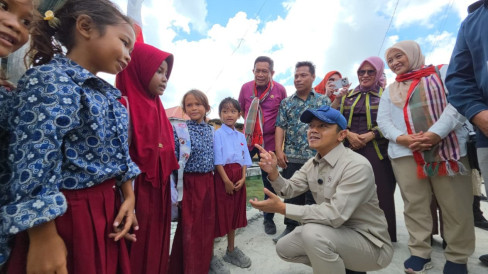
Fajar Riza Ul Haq began his visit by interacting with students during the Masa Pengenalan Lingkungan Sekolah (MPLS) program at SMP Negeri 1 Wangi-Wangi. The new policy’s influence was evident as discussions revolved around the transformative potential of education in shaping future opportunities. Topics included the importance of health, nutrition, and the impact of the Makan Bergizi Gratis (MBG) program on student well-being. By engaging directly with the youth, Fajar underscored the new policy’s role in empowering young minds through holistic development. His presence also sparked a sense of enthusiasm, with students participating in interactive activities that reinforced the values of teamwork and shared goals.
“Kehadiran kami di Wakatobi bukan sekadar untuk melihat infrastruktur, tetapi untuk memastikan bahwa kebijakan baru ini benar-benar mencapai anak-anak di sini,” ujar Fajar, menegaskan komitmen pemerintah dalam menjalankan program pendidikan yang sejalan dengan visi Presiden Prabowo.
Revitalizing Schools and Aligning with New Policy Goals
During the visit, Fajar Riza Ul Haq inspected the revitalized facilities at SMP Negeri 1 Wangi-Wangi, which received funding of Rp1,024 miliar from the 2025 budget. The new policy’s emphasis on modernizing educational infrastructure was clear as he reviewed the integration of Papan Interaktif Digital (PID) in classrooms. These upgrades are designed to support both teacher efficiency and student engagement, ensuring that learning resources are accessible even in challenging coastal conditions. The Wamendikdasmen also highlighted how the new policy’s focus on quality education aligns with the broader national agenda to prioritize rural and island communities.
Subsequently, Fajar visited SD Maritim Mola and SMP Maritim Mola in Desa Mola Utara, which cater specifically to the Suku Bajo population. These schools serve as critical hubs for cultural preservation and education, and the new policy aims to strengthen their role in the region. By examining the current state of classrooms and teaching methods, Fajar emphasized the need for continued investment in such institutions. His call for expedited revitalization efforts was met with optimism, as the new policy’s implementation could lead to long-term improvements in educational outcomes for these communities.
Community Collaboration and the New Policy’s Impact
The new policy’s success in Wakatobi depends heavily on collaboration between the government and local stakeholders. Fajar Riza Ul Haq stressed that the program must be adapted to the specific needs of island residents, who often face logistical and financial challenges. By prioritizing community input, the policy aims to create a more inclusive and effective educational framework. For instance, the revitalization of SD Maritim Mola included consultations with teachers and parents, ensuring that the changes directly address their concerns. This approach reflects the new policy’s core principle of fostering partnerships to achieve equitable development.
Additionally, the new policy promotes the integration of traditional knowledge with contemporary educational practices. In Wakatobi, where the Suku Bajo culture is deeply rooted, this balance is crucial. Fajar highlighted that programs like MBG and MPLS should not only provide material support but also respect and incorporate local customs. The policy’s adaptability is expected to enhance student motivation and cultural pride, creating a more resilient educational ecosystem in the region. As the government works closely with communities, the new policy is being tailored to ensure it resonates with the unique challenges and aspirations of coastal areas.
Challenges and Future Steps in Implementing the New Policy
Despite the progress, the new policy faces several challenges in Wakatobi, such as limited connectivity and resource allocation. Fajar acknowledged these obstacles during his address to educators and students, emphasizing the need for sustained investment and innovative solutions. The government’s focus on infrastructure development, including the expansion of digital learning tools and transportation networks, is part of addressing these issues. For the new policy to achieve its full potential, Fajar called for a multi-year plan that prioritizes long-term sustainability over short-term fixes. This vision aligns with the broader national goal of making education accessible to all, regardless of geographical location.
Looking ahead, the new policy’s implementation in Wakatobi will serve as a model for other coastal regions. Fajar Riza Ul Haq expressed confidence that the collaboration between central and local authorities would ensure the program’s success. By focusing on both physical and digital infrastructure, as well as cultural integration, the new policy aims to create a comprehensive approach to education. This strategy not only supports the immediate needs of students but also lays the groundwork for future generations to thrive. As the policy continues to evolve, its impact on Wakatobi’s educational landscape will be closely monitored to ensure it meets its intended goals.